Nikki Evans
Winter 2025
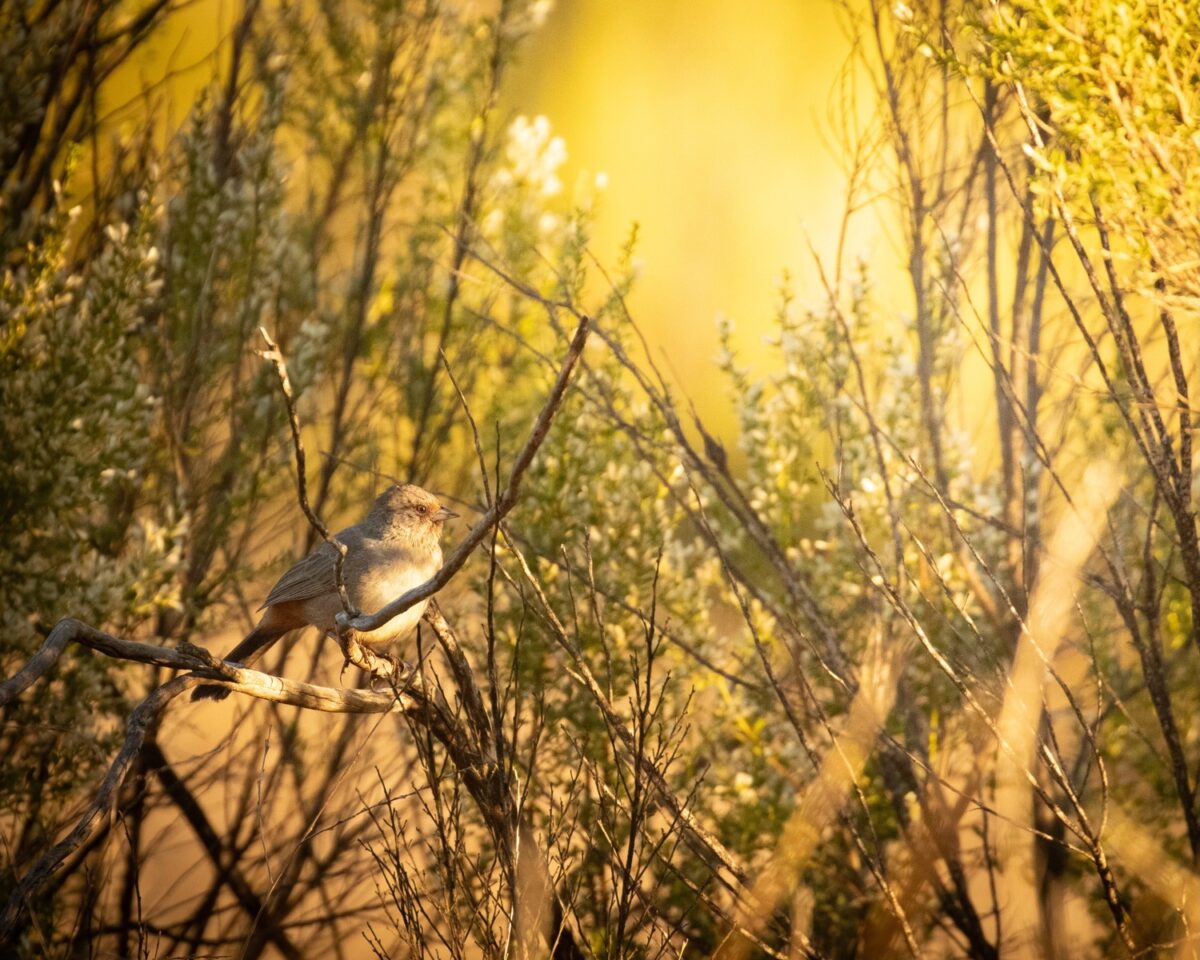
Image 1: California Towhee in the coyote brush. Photo by Nikki Evans.
I spent a recent sunrise, bundled up in coat and hat, sitting on the cold earth near a sea of coyote brush (Baccharis pilularis). It was chilly in the valley, but the sun was hinting at a future warmth, lighting up lace lichen in the oaks above. As I appreciated the lichen, I spotted a coyote running in the golden glow of morning. Perhaps this coyote, startled by my presence, came with the intention to scout the edge for a meal. Coyotes and bobcats are regulars around the coyote brush in part due to the abundance of rabbits and birds the thick brush attracts.

Image 2: Coyote running across the hill. Photo by Nikki Evans
While I sat with the intention of finding wildlife around the brush, I also hoped to use this time to slow down and strengthen my ability to appreciate the small things. I imagine most readers have experienced the effects of too muchness; too much to do, too much stress, too much screen-time. Perhaps the holidays even brought some of this for you. When this too muchness affects me, it gets difficult to let beauty in. When this happens, I know I need to sit in nature, to let beauty unfold in the commonplace way it does every day and simply challenge myself to be present enough to notice it. So, I went to the coyote brush for what it could provide. Perhaps you would also like to find beauty there. Read on to learn about this incredible plant. After you do, I encourage you to go out and find coyote brush in a local natural area.
Leaves, flowers, and ‘snow’
Anyone who comes to Sedgwick via the main entrance passes a large thicket of coyote brush at the base of Lisque Valley. The coyote brush itself is understated. In dense patches, old, bare branches twist around themselves. Elsewhere, the brush is evergreen, covered in small wedge-shaped leaves with triangular teeth along the edges. Some say the leaf shape is a little like a coyote paw; it is unknown where coyote brush gets its common name, but this is one theory.
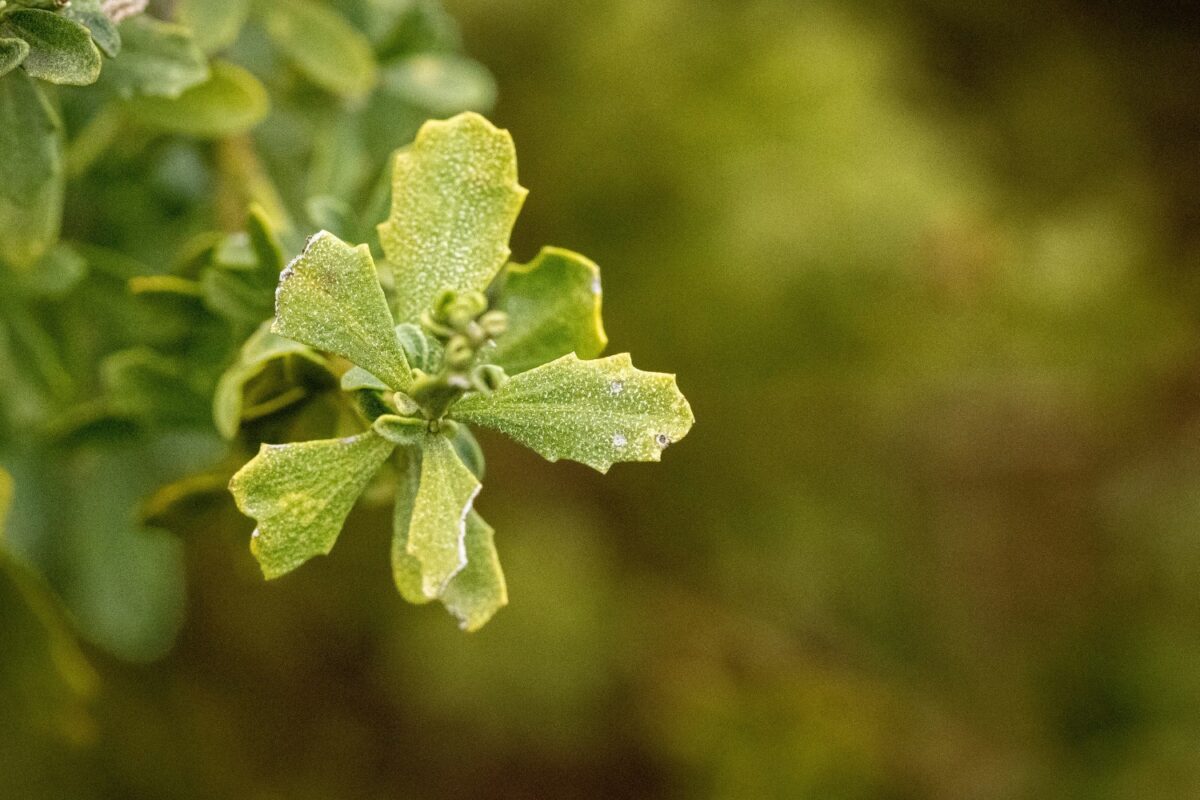
Image 3: Coyote Brush leaves. Photo by Nikki Evans
In the fall, small, cream flowers emerge. Coyote brush is dioecious (die-ee-shus) meaning male and female flowers grow on separate plants. The flowers grow in delicate, little clusters that are best appreciated with a hand lens.
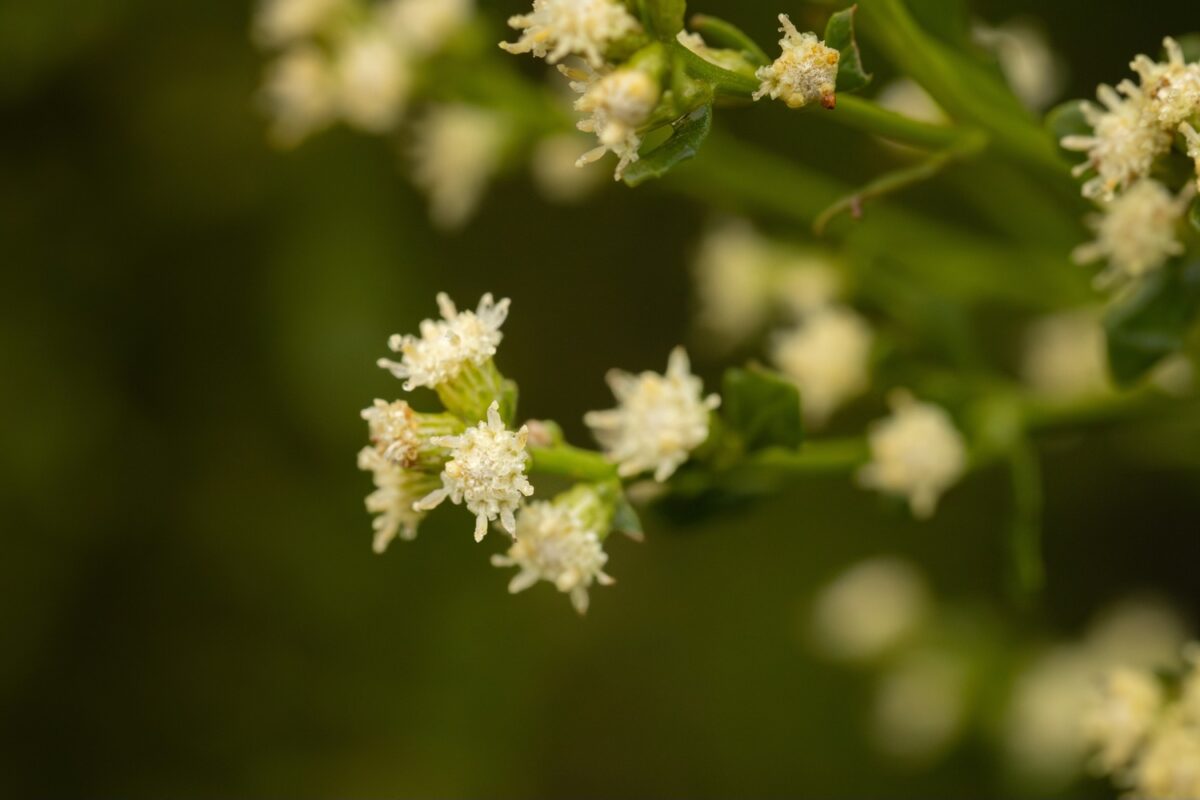
Image 4: Coyote brush male flowers. Photo courtesy of Nikki Evans
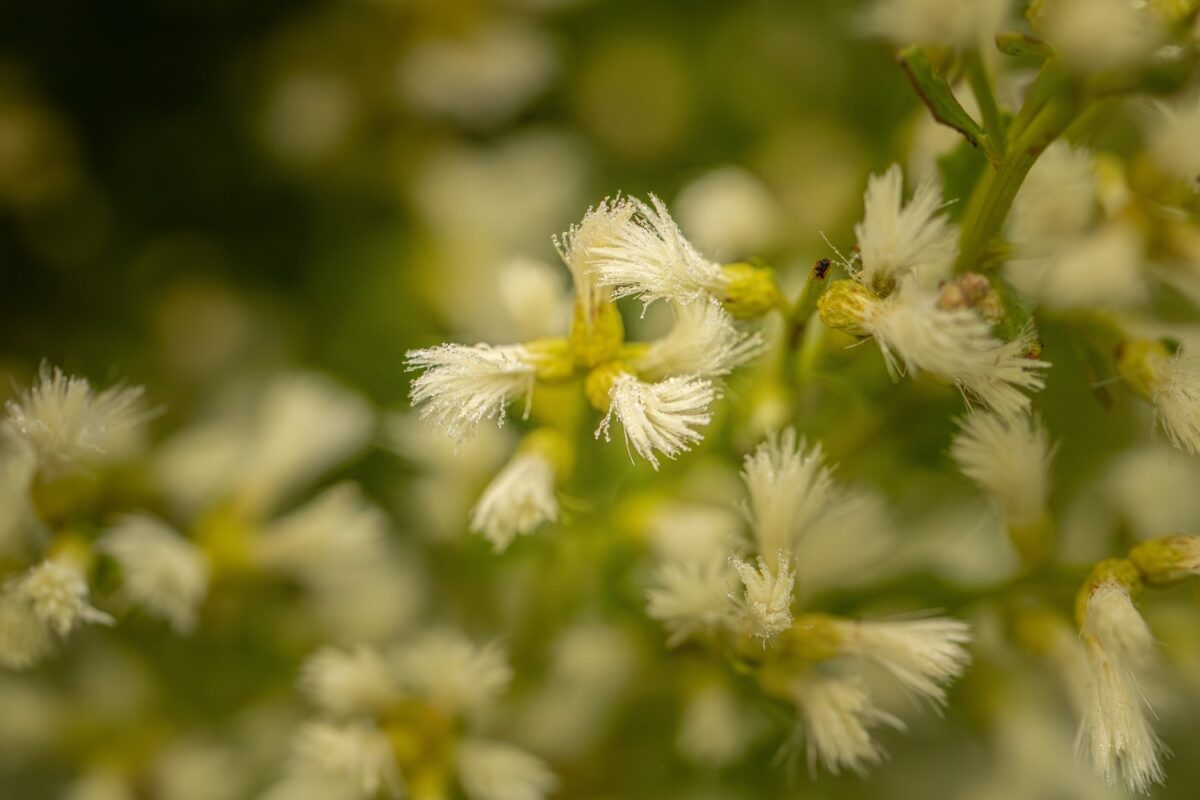
Image 5: Coyote brush female flowers. Photo courtesy of Nikki Evans
In the winter, female flowers release silky seed heads that parachute along the air like snow. While homeowners may prefer the male coyote brush due to their tidiness, to be in a coyote brush ‘snow storm’ is a beautiful thing.

Image 6: A bobcat stretches amidst the coyote brush ‘snow’. Photo by Nikki Evans
The Brave Rabbits
I have often enjoyed the brush rabbits who sit along the base of the shrubs, their noses twitching as they warm in the golden morning sun. I have long thought that rabbits are among the bravest of animals: Prey to many, with few natural defenses, they still choose to sit out in the sun from time to time. I had hoped to see brush rabbits during my chilly morning visit, but I didn’t. It turned out in my favor, because it led to several more sits by the brush in hopes of seeing them. I was however treated to the pit-pit calls of California Quail, taking a roll call of their covey as they retreated. They can live in coveys of 20-200 birds depending on resources and time of year, all of which can seemingly disappear into the brush. Even when wildlife cannot be seen, the understated coyote brush is a wellspring of life.

Image 7: Brush rabbit in the scurry zone. Photo courtesy of Nikki Evans
The Scurry Zone
In fact, the edge of the coyote brush is so special that it has a name, the scurry zone. In this place, rabbits (and mice to some extent) consume tender shoots of grass. Staying close, the rabbits scurry back into the safety of the brush if a hawk, human, or other predator is spotted. Similarly, birds such as quail, towhees, sparrows, and California Thrashers forage for seeds along the edges. The zone draws in coyotes and larger animals who create a more pronounced path with their comings and goings. The end result is a microhabitat that looks almost mowed, sometimes with pronounced wildlife trails.
Lately, the brush has been full of White-crowned Sparrows. Their sweet whistle and buzz song is as beautifully reminiscent of the winter as any holiday song.
Image 8: White-crowned Sparrows in the coyote brush. Photo and sound recording by Nikki Evans
Follow your own timing
A super-power of the coyote brush is its unique timing. Flowering in the fall, it provides nectar at a time when it is scarce. Coyote brush supports diverse insect life (micro-wildlife, if you will). It is an important nectar source for many native predatory wasps, skippers, and flies. On a hot summer day, the coyote brush is alive with the buzz of bees and insects, eating the sticky oil that is secreted from its leaves. It even hosts a species-specific midge (fly), the Coyote Brush Bud Gall Midge (Rhopalomyia californica). The midge lays eggs in the tips of the plant, triggering abnormal growth (galls) that shelter and feed the larvae. They create unique cabbage-like structures that house the larvae until they emerge as adults to mate and die quickly. The species name for coyote brush, pilularis, is Latin for globules, which some speculate refers to these midge galls. As a result of all this insect life, it is also a beneficial plant for animals that eat insects, such as this Ruby-crowned Kinglet who fluttered in quick spurts around the brush while I watched during my chilly morning.
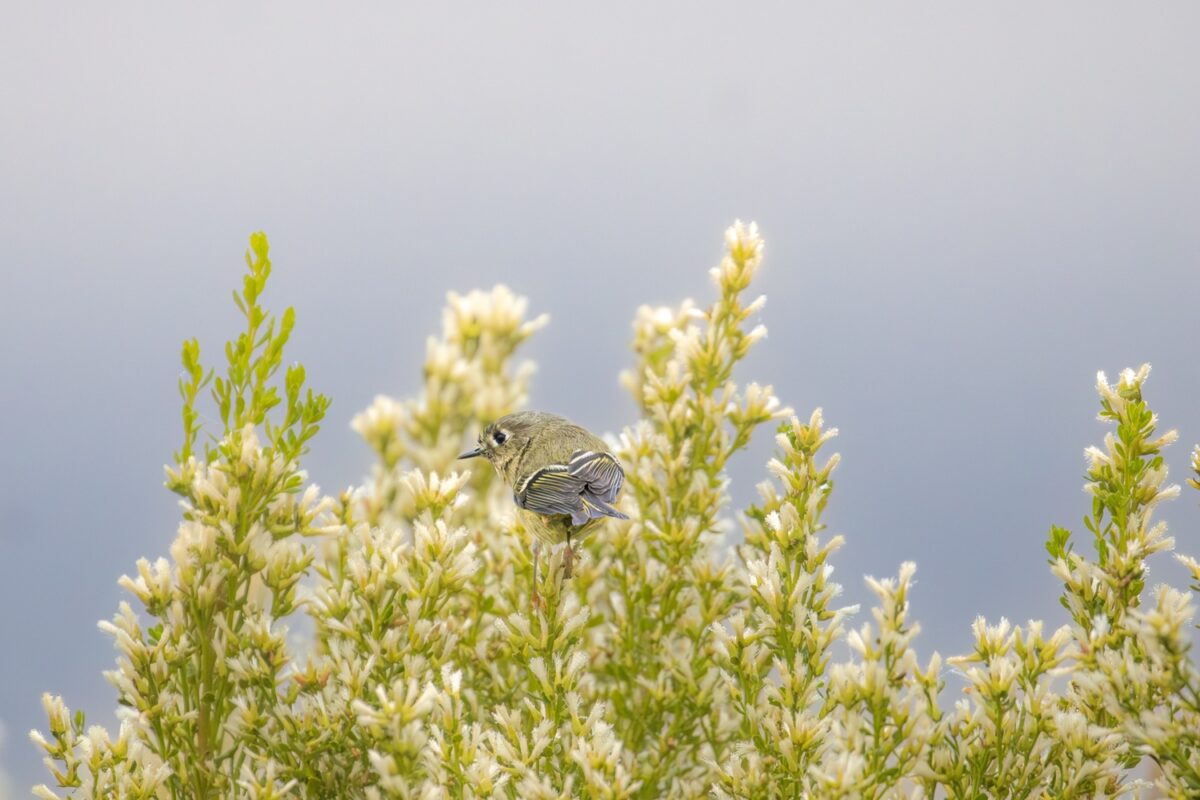
Image 9: Ruby-crowned Kinglet on coyote brush. Photo by Nikki Evans
After a morning at the coyote brush, I felt more present and calm. Nature sits aren’t magic. I didn’t return to my life as a new person, but my heart felt a little more open, my noticing abilities a little more fine-tuned. There are some things that can capture even the most distracted soul; the Grand Canyon, a herd of bison at Yellowstone, the northern lights, but the state of natural beauty is always there waiting for us. We don’t have to travel far to find it. We simply need to slow down and watch nature. Perhaps in appreciating the small beauties of even a single plant, we will grow stronger in our resolve to preserve nature. As the year’s end brings the opportunity for reflection, I hope that you will find a special space in nature to be present.
Thank you for supporting the conservation of Sedgwick Reserve. We hope to see you in the new year!
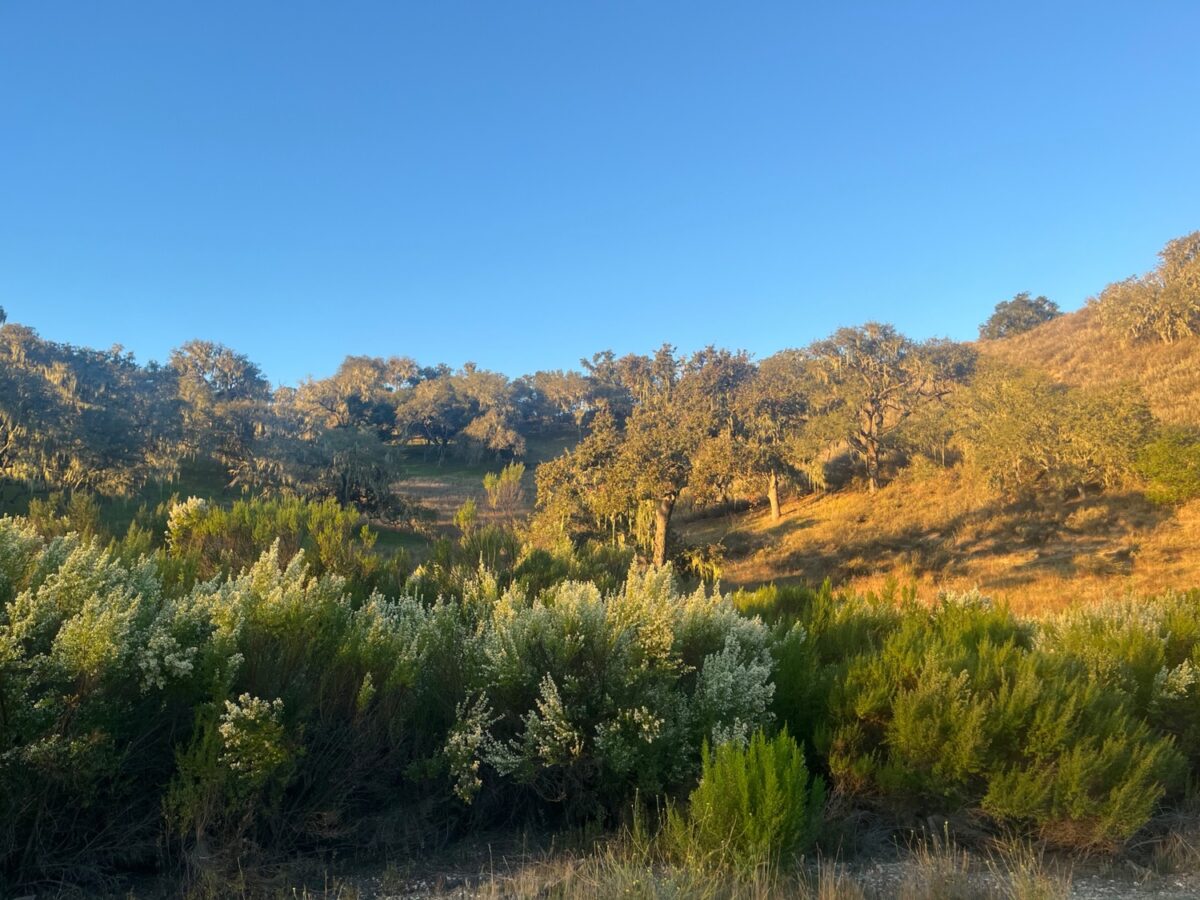
Image 10: Coyote brush at Sedgwick. Photo by Nikki Evans